



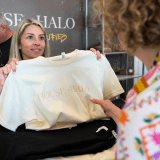



Why little treat culture matters to brands
There’s a reason the “little treat” has become a cultural phenomenon. A better coffee on the way to work. Something small picked up after a long day. A favorite snack for no particular reason. Little treat culture is built around a simple idea: sometimes a small reward can have an outsized effect on how we feel.
And it’s more than a social media trend. 2026 research from SurveyMonkey found that 62% of Americans indulge in small, affordable treats at least once a month, with 43% doing so weekly or daily. Kantar also identified “Treatonomics,” its term for the rise of little treat culture, as one of its Marketing Trends 2026. For brands, there’s something worth paying attention to here.
Small doesn’t have to feel small
Brand experiences are often built around big moments. Major events. Holiday gifts. Employee milestones. Customer celebrations. Those moments matter, but they aren’t the only opportunities to create a connection.
Little treat culture is a reminder that value isn’t always proportional to cost. Timing, relevance and the element of surprise can change how something is received. Research from NCSolutions found that 50% of consumers view little treats as a reward, reinforcing that the meaning of the moment can matter as much as what’s being given. Think about the difference between receiving something because the calendar says you should and receiving something unexpectedly after finishing a big project. Or discovering a thoughtful extra at an event instead of another item automatically handed out at registration. The item may be small. The moment doesn’t have to be.
Find the moments in between

There are plenty of occasions when brands are expected to show up. The opportunity is to think about the moments when they aren’t. Sometimes, the best ones come from simply paying attention.
In his New York Times bestseller Unreasonable Hospitality, Will Guidara tells the story of overhearing guests at Eleven Madison Park mention that the one thing they hadn’t experienced during their trip to New York was a street hot dog. He went out, bought one and had it served as a surprise course. It wasn’t the cost of the gesture that made it memorable. It was that someone listened and acted on what they heard.
The same thinking can apply to brand experiences. For employees, that might mean recognizing the work between major milestones, not just the anniversary or promotion. For customers, it could be acknowledging a relationship outside the traditional holiday gifting season. At an event, it might be creating an unexpected moment during the experience rather than putting everything into the welcome bag.
More intentional, not simply more
The takeaway from little treat culture isn’t that brands should start giving people things all the time. More merchandise without a reason is still just more merchandise. The better question is: Where in the experience could a small moment of delight make a difference?
Look across the employee, customer or event journey. There are likely moments that don’t warrant a major campaign but still matter to the person experiencing them. Those are opportunities to recognize progress, say thank you, create some energy or simply make someone’s day a little better. That shift in thinking can also change how brands approach merchandise. Instead of starting with a product and figuring out where to use it, start with the moment and choose something that makes that moment better.
A little can go a long way
Little treat culture may have a catchy name, but the behavior behind it isn’t new. People remember how experiences make them feel, and small gestures can carry more meaning than their price tag suggests. For brands competing for attention and affinity, bigger isn’t always the answer. Sometimes it’s about showing up at the right time, with the right thing, for the right reason.
Looking for new ways to create meaningful moments for your employees, customers or event attendees? Talk to HALO about what could work for your brand.
About the author