



Reaching People Is Easier. Connecting Is Harder
AI has made it easier than ever to produce content, reach audiences, and personalize communications. It’s also made an already crowded digital environment even noisier.
But we’re also adding to an already crowded digital environment. There’s only so much content people can consume and only so many messages they’re willing to engage with.
It’s made me remember more the value of getting people together in person. There’s something about a good conversation, discovering something unexpected, or experiencing a brand firsthand that doesn’t translate quite the same way through a screen.
The Real Value of Human Connection
There’s research behind this, too. A Gartner survey found that while 70% of B2B buyers prefer digital self-service, 69% still prefer to validate AI-generated insights with sales representatives. And a report from Freeman and The Harris Poll found that 95% of attendees reported greater trust in brands after attending an in-person event.
Neither finding is particularly surprising. We rely on digital channels for information and convenience, but relationships still matter, especially when there’s a decision to make or a level of trust to establish.
For marketers, I think that’s worth paying attention to.
Beyond the Traditional Event
I’ve attended enough industry events to know that simply getting people into a room doesn’t guarantee a worthwhile experience. Some events stay with you. Others are forgotten before you’ve made it to the airport.
The difference usually comes down to whether there was something genuinely interesting to see, do, or discuss. People want to discover new ideas, meet people who understand their business, and walk away feeling their time was well spent.
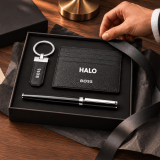
And the experience doesn’t have to end when the event does. The right merchandise, a thoughtful gift, or something personalized can become a reminder of the people and conversations that made it worthwhile.
Bringing Brand Experiences to Life
We’ve put a lot of energy into this at HALO over the past year.
In 2026, we hosted eight Brand Shows across Orlando, Seattle, Houston, Denver, Santa Clara, Los Angeles, New York, and Milwaukee. They gave us opportunities to spend time with customers and prospects, introduce new ideas, and have conversations that don’t always happen during the normal course of business.
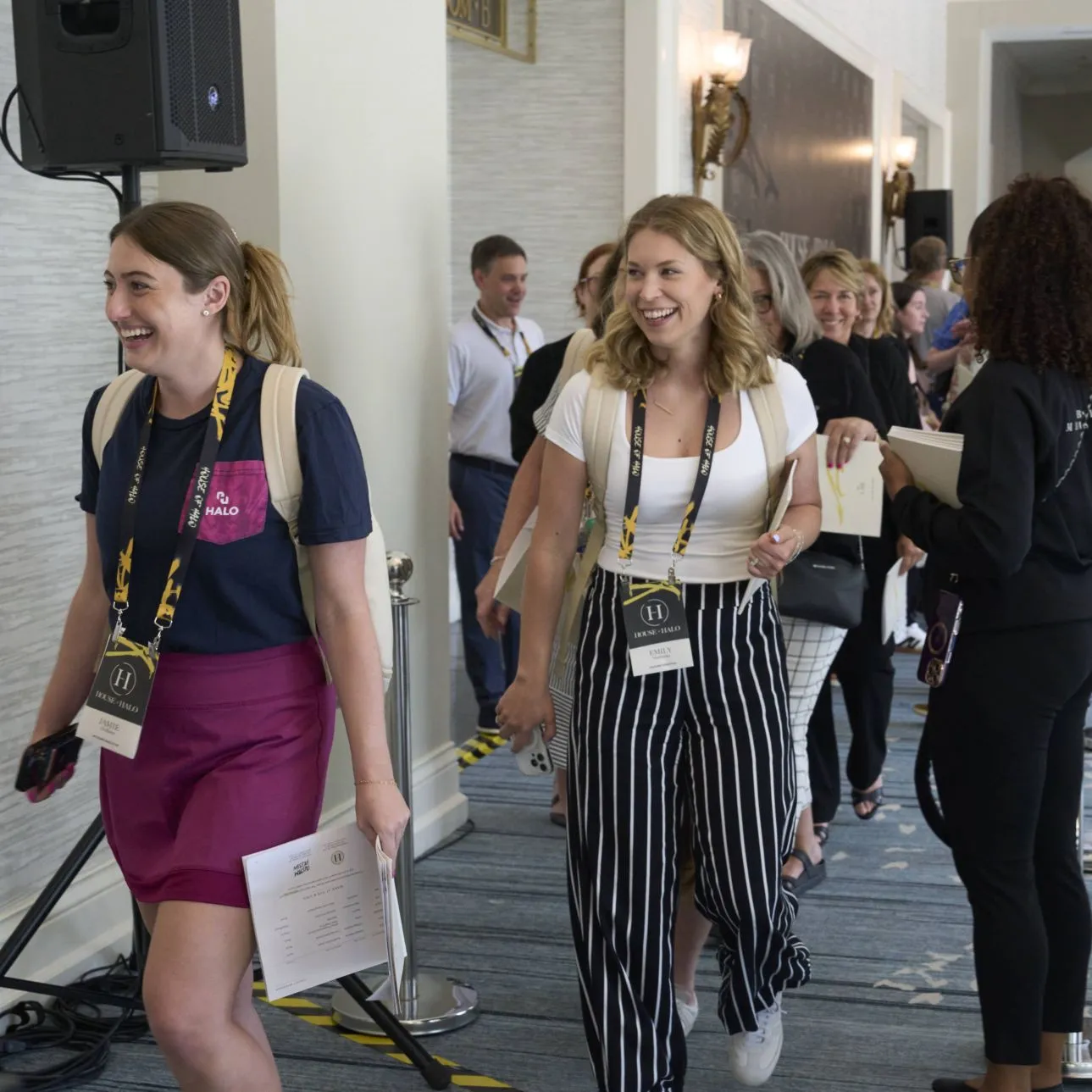
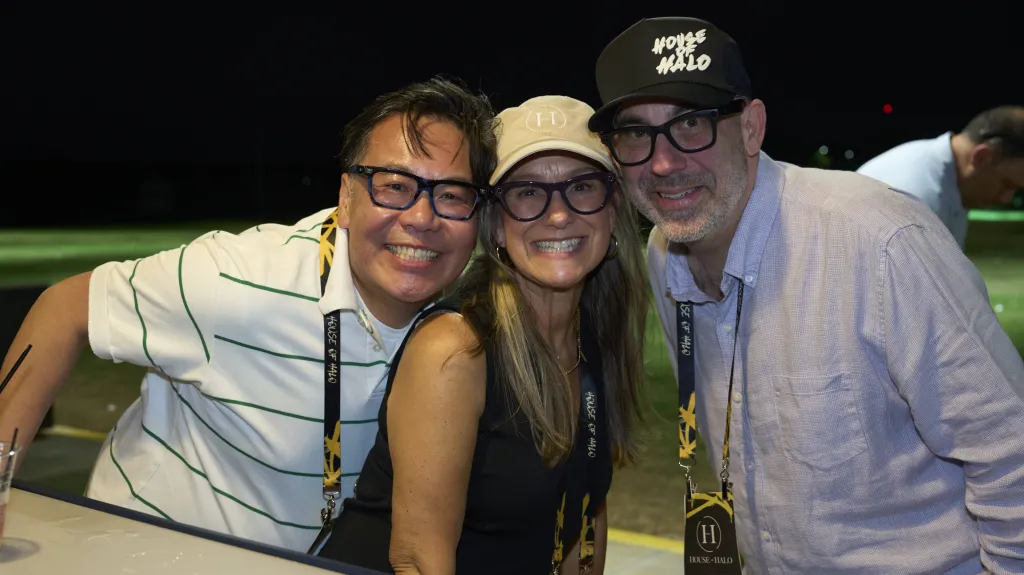
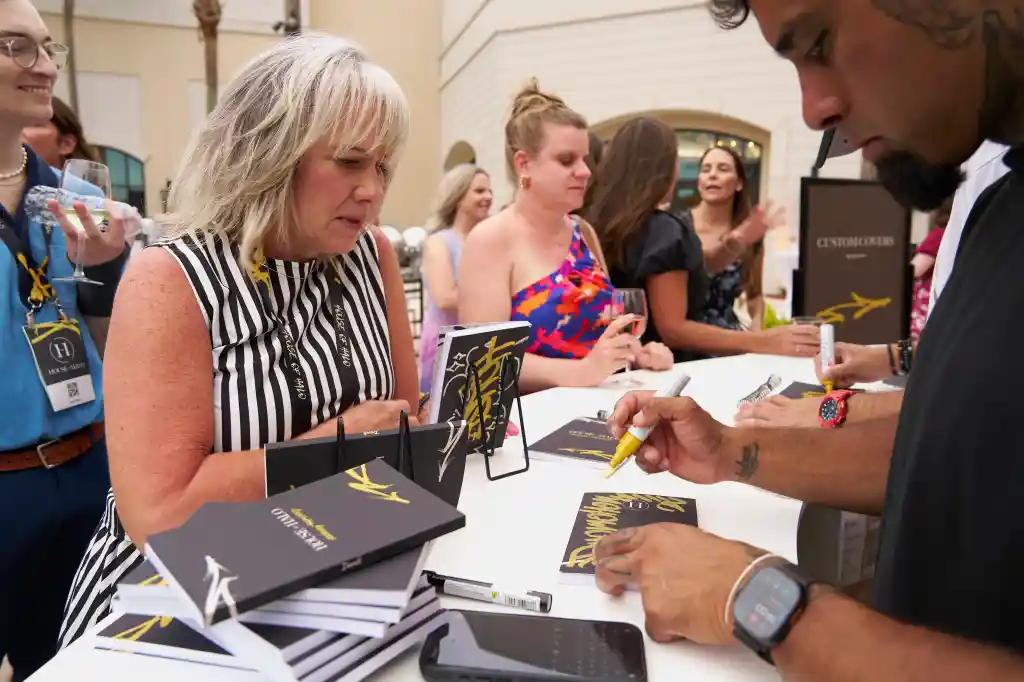
We took a different approach with our recent House of HALO event. Live artists created personalized book covers, attendees participated in interactive experiences, and merchandise was incorporated throughout. We wanted people to get a sense of what was possible by experiencing it themselves.
At SHRM 2026, we focused on how brands connect with employees through recognition, onboarding, apparel, and gifting. It was another opportunity to show how these different elements can come together, rather than presenting them as separate products or services.
What I’ve noticed at these events is that the conversations tend to get better when people can actually experience what we’re talking about.
Making the Connection Last
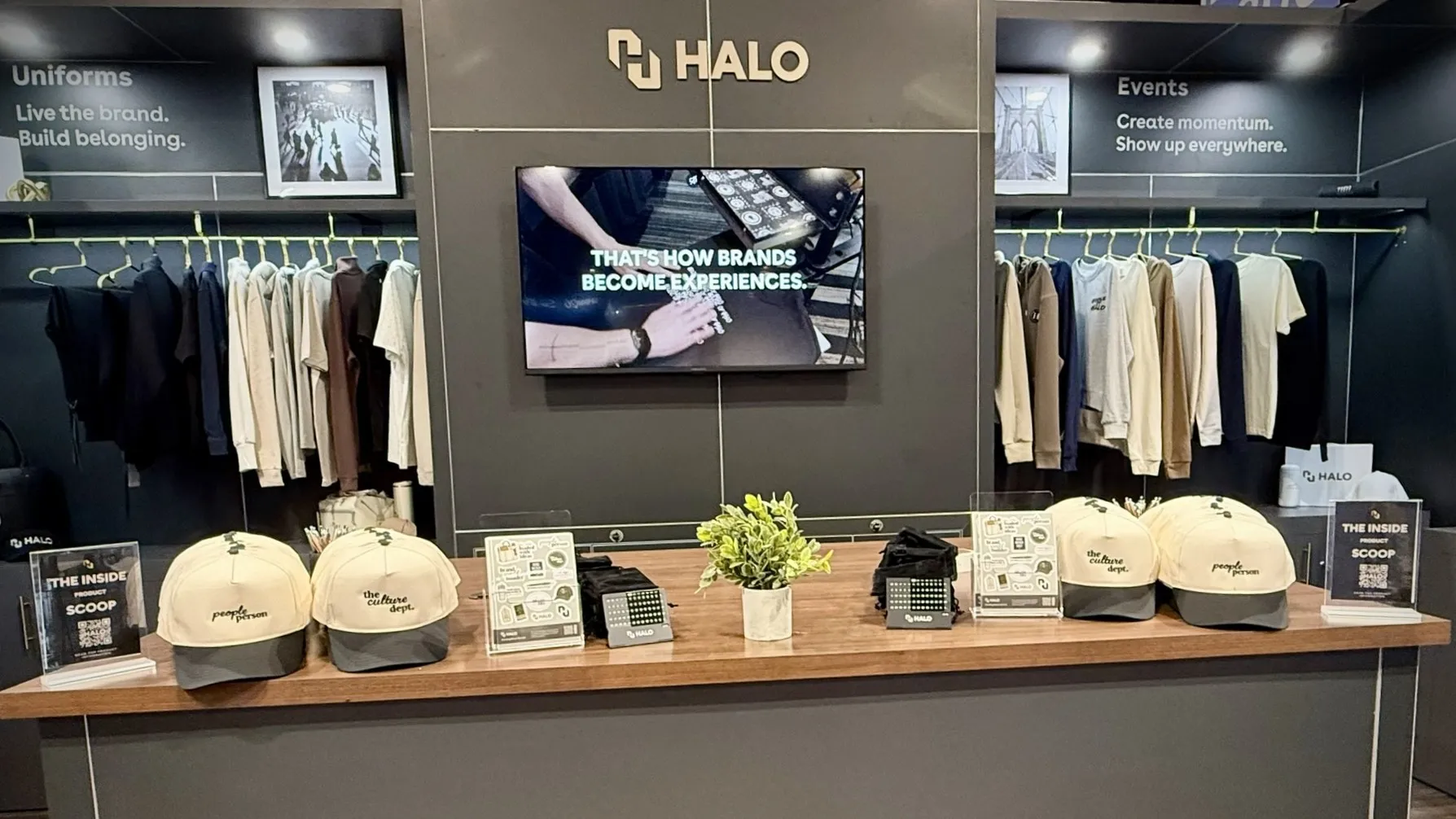
I also think there’s an opportunity for marketers to reconsider the role physical products play in these experiences.
Branded merchandise, gifting, and recognition are often planned separately from the broader marketing strategy. But when they’re considered earlier and connected to what a brand is trying to accomplish, they can do much more than serve as giveaways or promotional items.
A product someone uses regularly, something they received at a memorable event, or a gift that felt genuinely personal can keep that connection going.
This thinking is central to how we’re evolving HALO’s approach to bringing brands to life. We’re thinking less about individual products and more about how the entire brand experience comes together.
Beyond the First Impression
Looking ahead, I expect brands will continue investing in experiences that bring people together, particularly as digital channels become more crowded. But I don’t think success will be measured by how many events we host or how many people attend. What matters is whether those experiences create connections that lead somewhere.
As marketers, we spend a lot of time thinking about how to get someone’s attention. Perhaps we should spend just as much time thinking about what happens once we have it.
About the author

Cord Himelstein is Vice President of Demand Generation at HALO, with more than 20 years of B2B marketing experience, including a decade in employee recognition, following an earlier career in music and entertainment. His background brings a unique perspective on how brands capture attention, engage audiences, and build lasting relationships. A member of the Forbes Communications Council, his insights have appeared in Entrepreneur, SmartBrief, Ragan, and Incentive Magazine.