


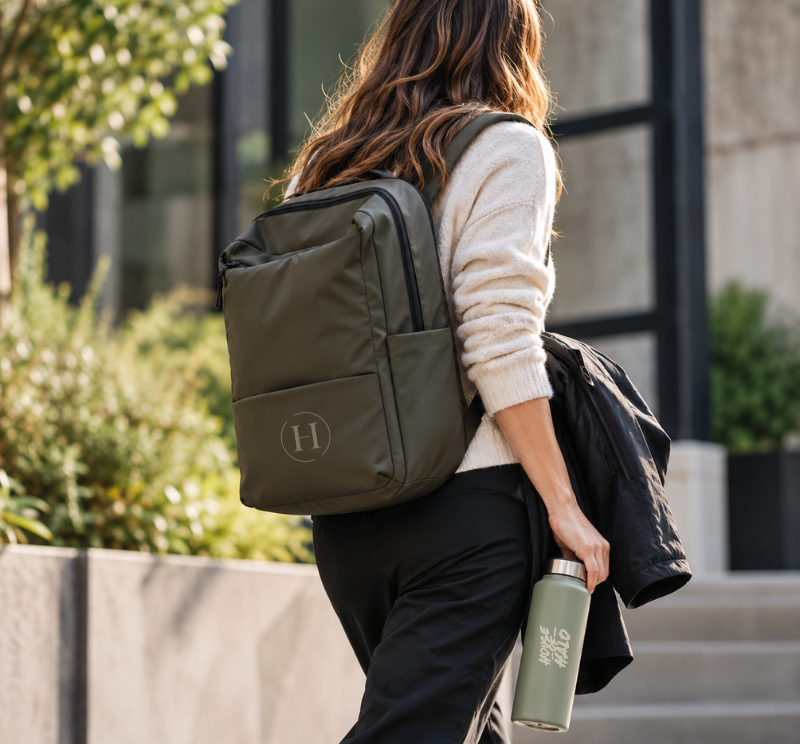
A Shift Toward Staying Power
For years, conversations about more responsible product choices have focused heavily on materials: recycled content, renewable resources, reusable alternatives and reduced packaging. Those things still matter, but there’s another consideration worth paying attention to: how long something stays useful and valued.
There’s something appealing about choosing products that have a reason to stick around. For branded merchandise, that means looking beyond the initial impression and choosing things that are well made, useful and likely to become part of someone’s everyday life.
That thinking is also part of a broader approach to product impact. The U.S. Environmental Protection Agency’s Sustainable Materials Management framework looks at materials across their entire life cycle, from raw material acquisition and manufacturing through use, reuse, maintenance, and eventual end-of-life. It’s a reminder that no single product attribute tells the whole story.
Made for Everyday Use
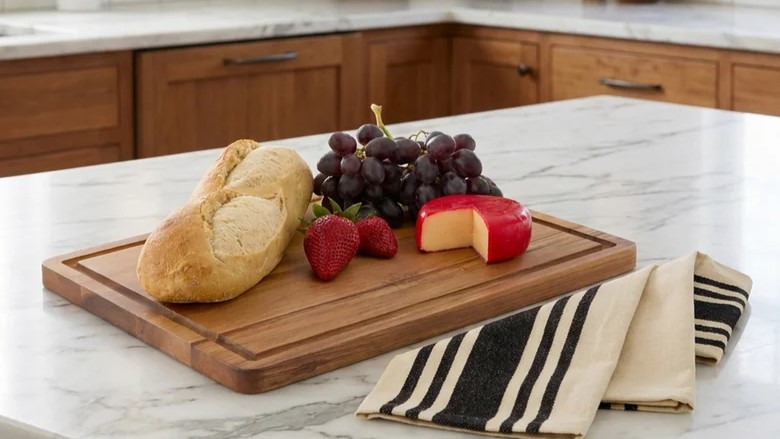
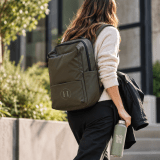
Some of the best examples aren’t complicated. Think about the products that naturally become part of everyday life: a cutting board that stays in the kitchen, a backpack that goes from work to weekends, or a jacket that gets pulled out season after season.
The common thread isn’t the product category. It’s usefulness, quality, and a reason to keep reaching for it. Rather than choosing something simply because it checks a box, the focus shifts toward products that can earn a place in someone’s everyday life.
The Ellen MacArthur Foundation makes an interesting distinction between physical durability and emotional durability. In other words, it’s not enough for something to physically last. People also have to continue finding it relevant and desirable enough to use.
Designed Around Real Life
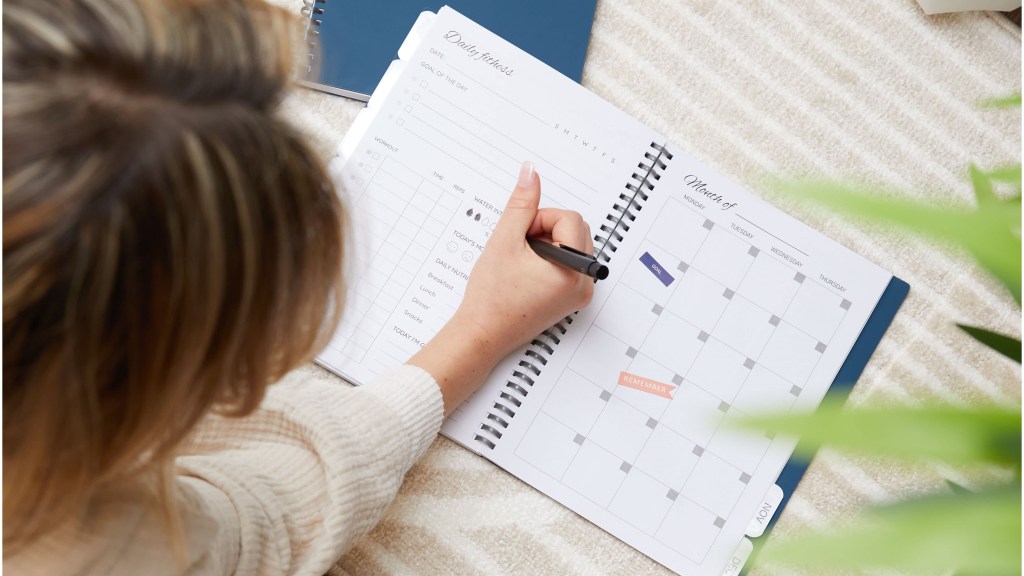
Longevity isn’t only about how a product is made. It also helps when there’s a reason to keep using it.
That makes everyday routines a useful place to start. Work, meals, travel, wellness, and time away from the desk all create opportunities for merchandise to be genuinely useful rather than simply received.
For companies thinking about the employee experience, merchandise can complement those everyday moments in practical ways. It doesn’t need to make a grand statement. Sometimes being genuinely useful is enough.
Beyond the Workplace
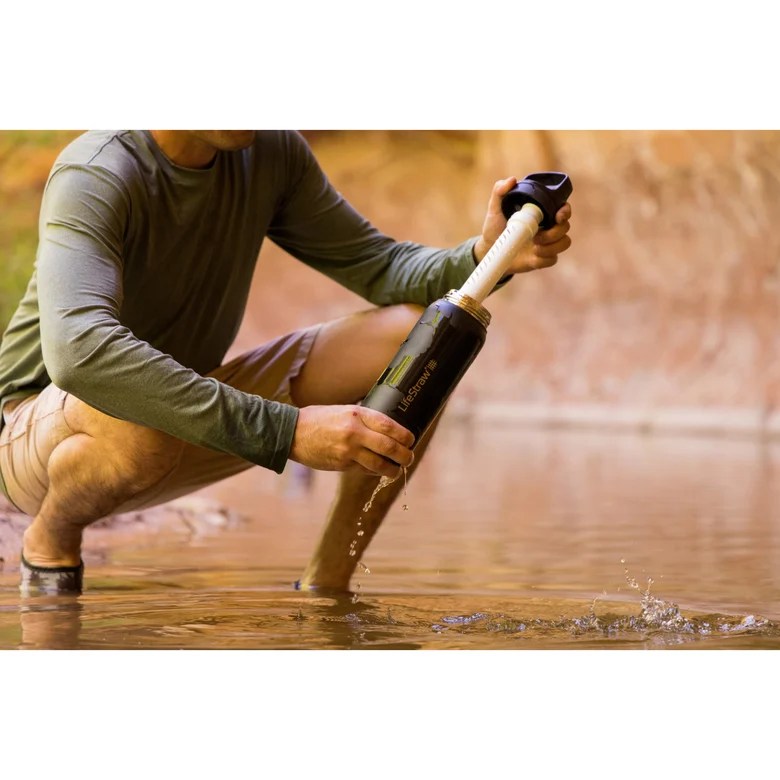
The same thinking extends beyond the workplace. Travel, weekends, events and other experiences create opportunities for branded merchandise to become part of moments people actually care about.
The product isn’t the experience, but the right one can become part of it. Choosing merchandise with real utility gives it more opportunities to travel, get used and become associated with experiences that extend well beyond the moment it was received.
Looking Beyond the Label
None of this means that a durable or reusable product should automatically be called “sustainable.” Environmental impact is more complicated than any one feature. Materials, manufacturing, transportation, packaging, product lifespan, and what happens to a product at the end of its useful life can all matter.
A 2025 review published in Sustainable Production and Consumption suggests that the relationship between durability and environmental impact is more nuanced than simply assuming that a longer-lasting product is automatically a more sustainable one.
That’s why it helps to look beyond a single label or attribute. Materials and manufacturing matter, but quality, usefulness, and expected lifespan can be considerations, too.
Because some of the best branded merchandise isn’t the product that makes the biggest statement when it’s handed out. It’s the one that becomes part of someone’s life and keeps getting used.
Looking for merchandise with staying power? Get in touch with HALO to explore ideas that fit your brand, your audience and what you want to accomplish.