


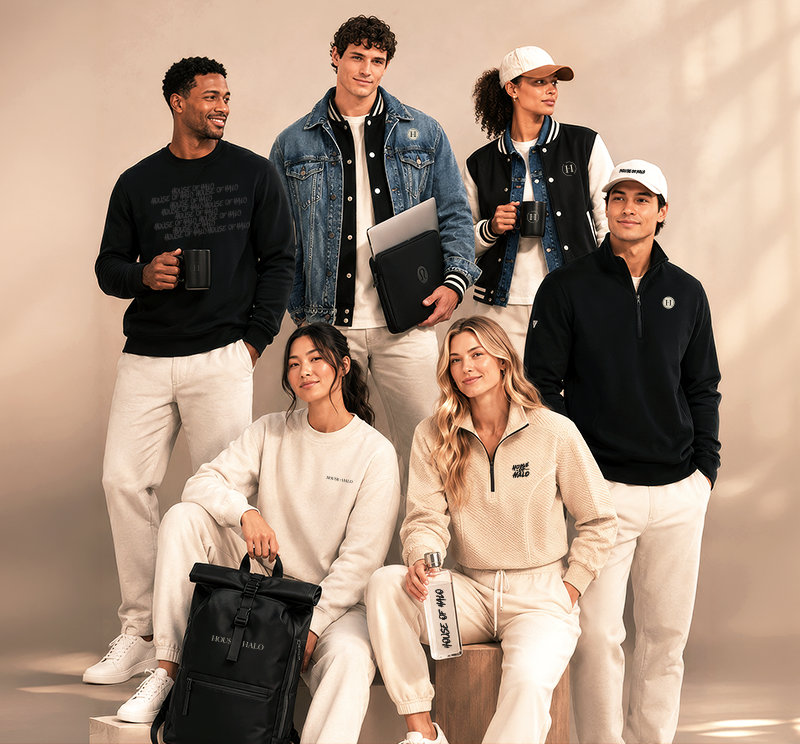
Lately, it seems like everything is getting “maxxed.”
People are sleepmaxxing, healthmaxxing, productivitymaxxing, and just about everything else imaginable. At its core, maxxing is about optimization—getting the maximum possible value from something through intentional choices and small improvements.
While the trend is usually focused on personal habits, there’s an interesting lesson for brands.
What if organizations applied the same thinking to branded merchandise?
What if they started merchmaxxing?
Merchmaxxing Is Not About Buying More Merchandise
Merchmaxxing isn’t about ordering more products.
It’s about getting more value from every product you already invest in.
The difference between average merchandise programs and exceptional ones often has very little to do with budget. Instead, it comes down to strategy. The best programs understand that branded merchandise is not the outcome—it’s the vehicle. Merchandise is often most effective when it’s viewed as part of a larger brand experience rather than a standalone product. The real goal is creating awareness, reinforcing culture, strengthening relationships, driving engagement, or creating memorable experiences. The product is simply how you get there.
In many organizations, branded merchandise is still treated as an afterthought rather than a strategic touchpoint. Yet some of the most powerful brand experiences happen in the physical world, where people can see, use, wear, carry, and interact with your brand long after a digital impression has disappeared.
Four Ways to Merchmax
1. Prioritize Utility
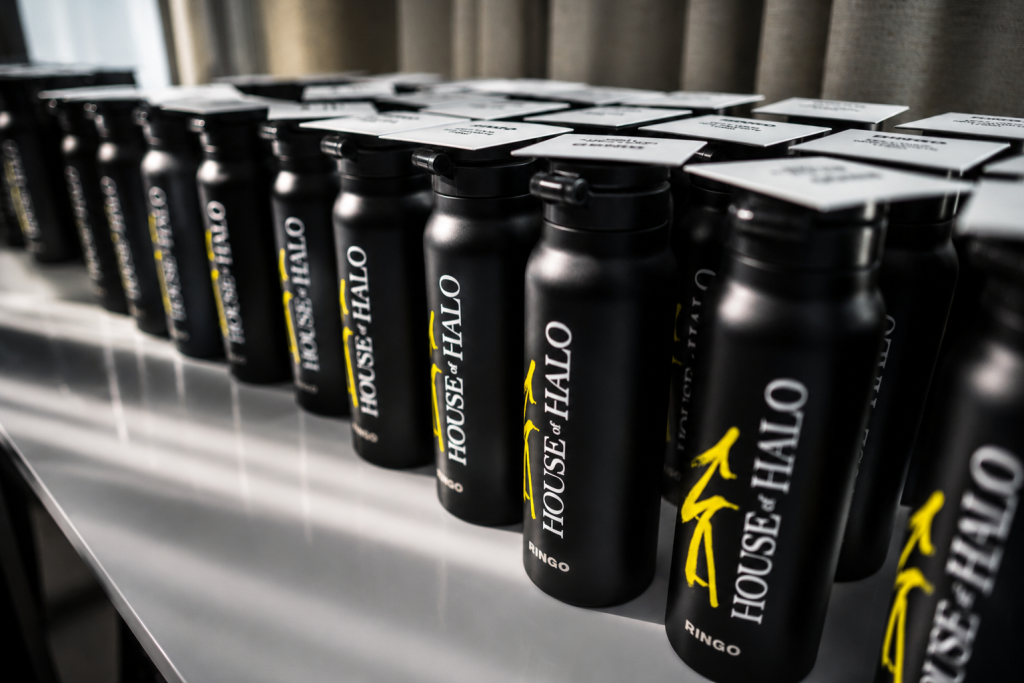
One of the simplest ways to merchmax is to choose products that naturally fit into people’s routines.
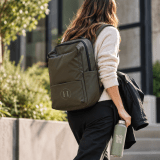
A premium, multi-purpose water bottle that can is used almost every day creates more value than a novelty item used once. A well-accessorized tote bag that travels through airports, offices, and events creates more visibility than something left in a drawer.
The most effective products become part of how people move through their day. When that happens, the brand remains present long after the initial interaction.
2. Make It Personal
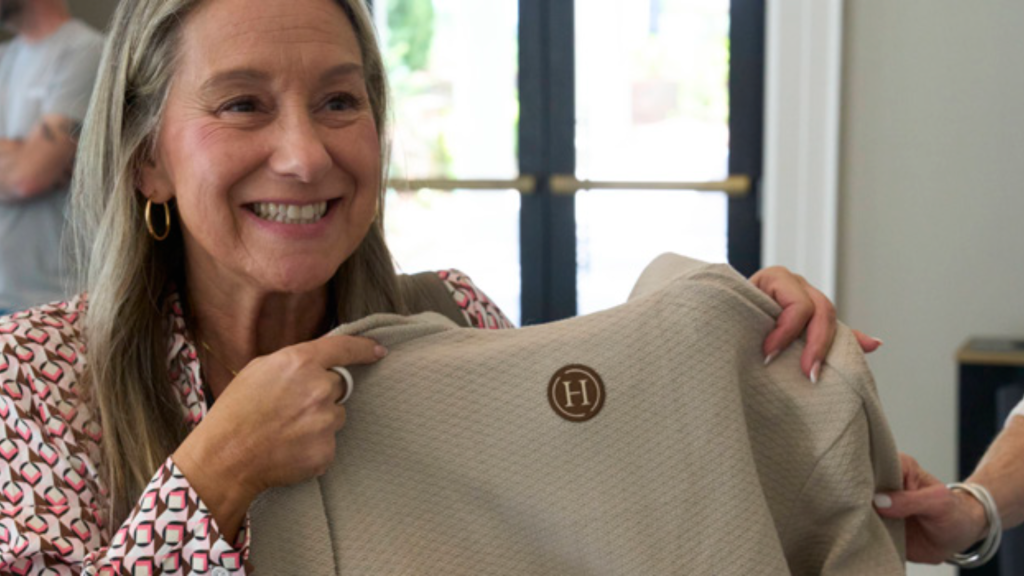
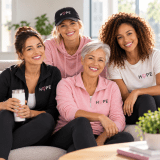
People are increasingly drawn to products that feel personal. That’s one reason we’re seeing the continued popularity of monograms, custom embroidery, personalized packaging, and made-for-me experiences.
The same principle applies to merchmaxxing. When an item feels relevant, it immediately becomes more meaningful when received. A thoughtful touch can transform a product from a giveaway into something worth keeping and using.
Personalization isn’t always about adding someone’s name. It’s about creating an experience that feels intentional.
Often, it’s the small details that have the biggest impact. Packaging, presentation, premium finishes, thoughtful design choices, and quality cues can dramatically change how a product is perceived. The difference between ordinary and memorable merchandise often comes down to the details people notice—and the ones they feel.
3. Consider the Context
The same product can produce dramatically different results depending on when and how it’s delivered.
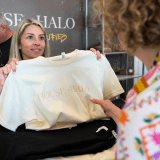
A branded sweatshirt handed out at random is just a sweatshirt. The same sweatshirt given to a new employee on their first day becomes part of an onboarding experience. A premium gift sent to recognize a milestone becomes part of a recognition moment. A product distributed at an event becomes a reminder of the experience itself.
Context often matters as much as the product. The strongest merchandise programs align products with moments that matter.
This is especially true at events. The most successful organizations no longer think of merchandise as something people pick up on their way out. Instead, they integrate it into larger activations designed to create engagement, participation, and memorable interactions. When merchandise becomes part of an experience, its value extends far beyond the item itself.
4. Build Experiences, Not Giveaways
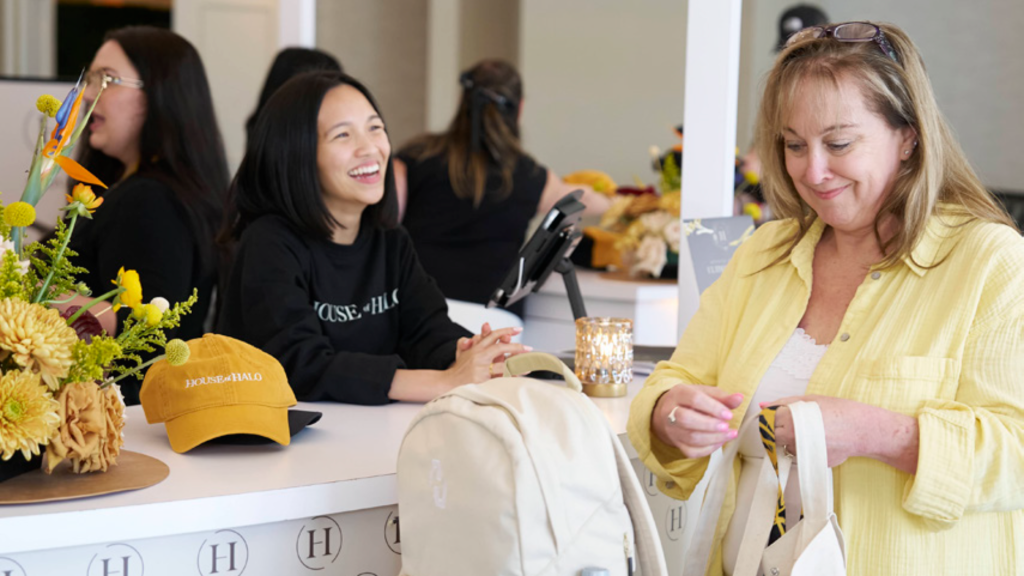
The most successful organizations don’t think about merchandise as a standalone tactic. They integrate it into broader experiences.
A welcome kit becomes part of onboarding. A gift becomes part of customer appreciation. An event giveaway becomes part of a larger activation. A recognition award becomes part of a culture initiative.
The merchandise may be the visible element, but the experience is what people remember.
When merchandise supports an experience, its impact increases significantly. People rarely remember receiving another product. They remember how the experience made them feel.
This shift—from products to experiences—is where merchmaxxing becomes most powerful. The greatest impact comes not from distributing more merchandise, but from creating more intentional moments.
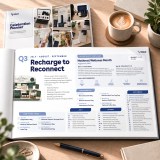
The same principle applies to branded kits. When thoughtfully assembled around a specific audience, milestone, or experience, a kit becomes more than a collection of products—it becomes a complete brand experience. Whether it’s employee onboarding, customer gifting, or event follow-up, curated kits create opportunities to deliver multiple touchpoints in a cohesive and memorable way.
The Future of Merchmaxxing
As expectations continue to rise, organizations will move beyond asking, “What product should we give?” and instead ask, “What outcome are we trying to create?”
The brands that get the most value from merchandise won’t necessarily spend the most. They’ll be the ones that thoughtfully connect products, experiences, and moments into something people remember.
That’s merchmaxxing.
Not buying more merchandise.
Creating more impact from every item.
Because the most effective merchandise programs aren’t measured by how much they distribute. They’re measured by the experiences they create, the relationships they strengthen, and how people remember them.
Every touchpoint shapes your brand.
If you’re looking to create more impact from the products, experiences, and moments that represent your organization, let’s talk.